


10 simple ways to get your home ready for winter and save
As the colder months roll in, a few small jobs around the house can make winter a lot more comfortable — and help stop your power bill from blowing out.
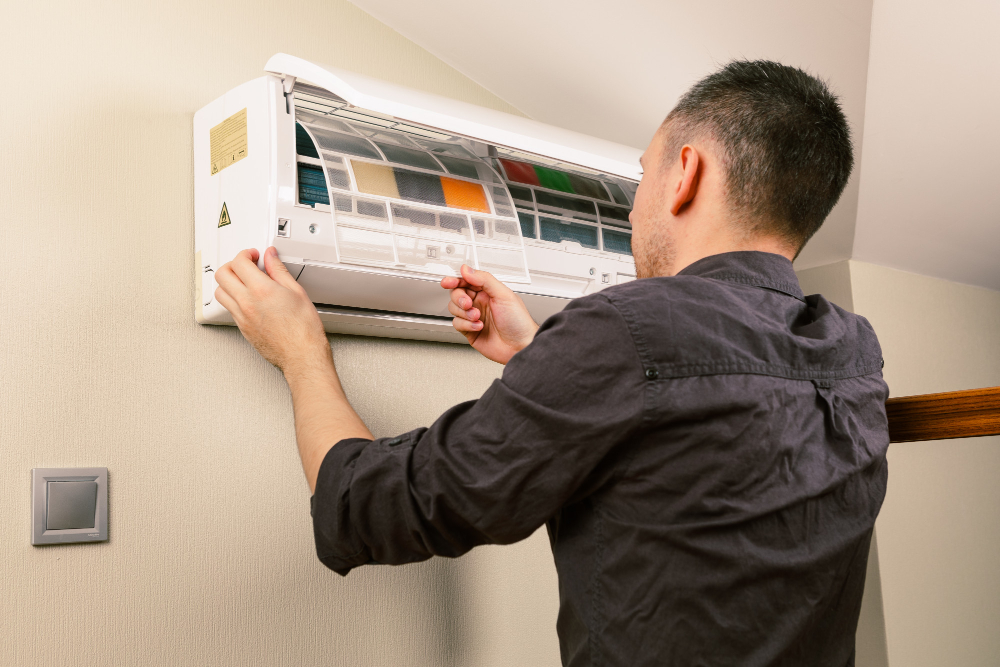
1. Clean your heat pump filter
A heat pump works best when the filter is clean. If dust builds up, the unit has to work harder to heat the room, which means it can use more energy for the same result. Giving the filter a quick clean before winter starts is one of the easiest ways to help it run properly.

2. Declutter the fridge and freezer
Cold appliances need space for air to move around. If your fridge or freezer is overpacked, it can struggle to keep everything at the right temperature efficiently. It is also worth thinking twice about keeping an old extra fridge or freezer running in the garage if you do not really need it, because older refrigeration can quietly add a lot to your power bill.

3. Warm the bed, not the whole house
If the bedroom is the only place you need extra warmth at night, an electric blanket or warmer bedding can be more efficient than heating the whole room for hours. Good duvets, comforters, and layered bedding also help you stay comfortable overnight without leaning so hard on the heater.

4. Block draughts
Even a good heater will struggle if warm air is leaking out. Check windows and doors for gaps, worn seals, and cold draughts. Fixing those little leaks helps trap heat inside and makes every bit of heating you pay for go further.
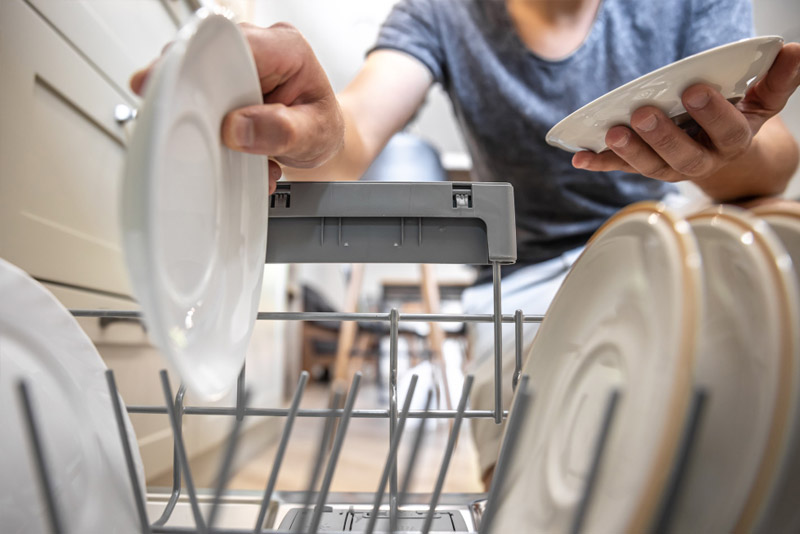
5. Use the dishwasher instead of hand washing
This one surprises people, but dishwashers can be cheaper to run than hand washing, especially if you normally fill the sink with hot water and rinse everything hot as well. A full-size dishwasher can wash at least two sink loads in one go for about half the cost. We recommend running full loads and using eco mode where possible.
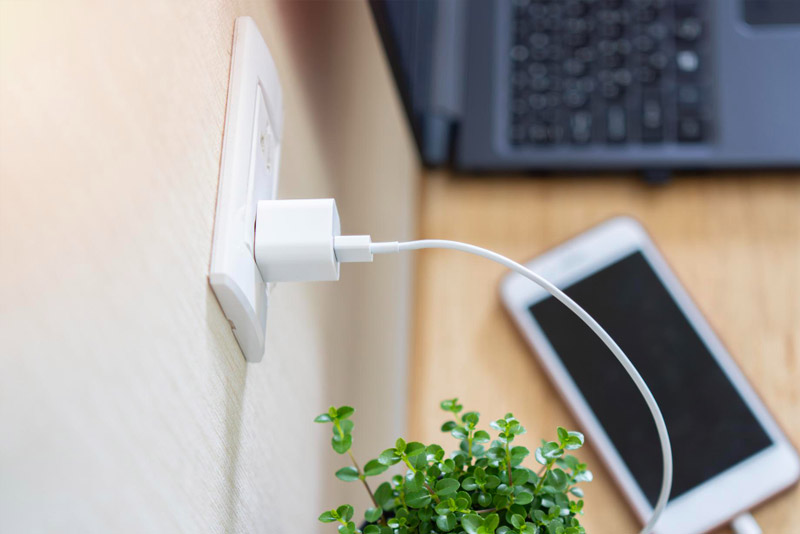
6. Unplug chargers and turn things off at the wall
Phone and laptop chargers are not the biggest power users in the house, but they still use a bit of electricity when left plugged in, and standby power from appliances adds up over time. Some chargers draw only a small amount, but if you want to kill standby use properly, unplug devices or switch them off at the wall.
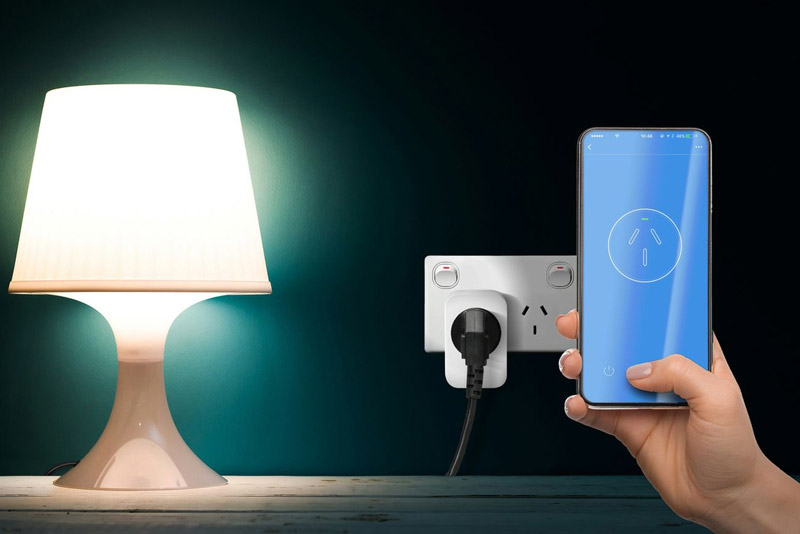
7. Use smart plugs for the sneaky stuff
Smart plugs are handy for devices that quietly stay on or sit in standby, especially in home offices and entertainment setups. Smart plugs can manage usage at the wall, and many models can be controlled by app, scheduled, or used to monitor energy use, which makes it easier to spot what is quietly draining power.
8. Replace old appliances when it makes sense
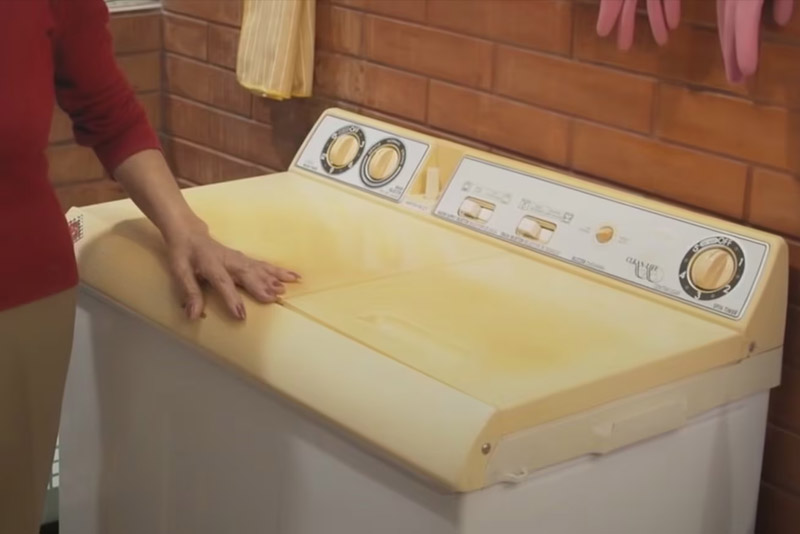
You do not need to rush out and replace everything, but when an old appliance is on its last legs, efficiency should be part of the decision. The most efficient medium fridge-freezers can save well over $100 a year compared with a similar 15-year-old model, and we recommend checking Energy Rating Labels because higher-rated appliances cost less to run over time.
9. Be smarter with hot water
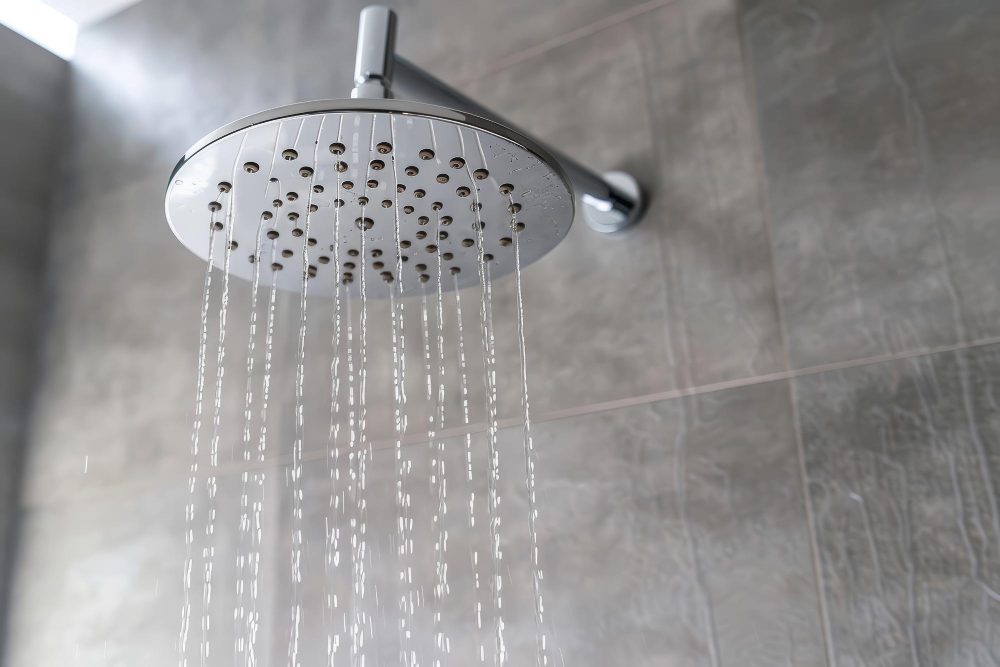
Hot water is a major part of a household energy bill. It makes up around a third of household energy costs, so winter savings often come down to how you use it: shorter showers, full dishwasher loads, and colder clothes washes where possible. Even simple habits in the laundry and kitchen can make a real difference.

10. Review your bills before winter usage climbs
Winter usually means more time indoors, more streaming, more heating, and more pressure on the household budget. So the seasonal reset still makes sense: check whether your power plan still suits your usage, and whether you are paying for the right broadband speed for your household. Keep the focus on avoiding waste, not buying more than you need.